
If your skincare routine stopped working overnight — products that used to feel fine now sting, your skin feels tight no matter how much you moisturise, and you're breaking out even though nothing has changed — there's a good chance your skin barrier is damaged. Here's what to do.
In This Article
- What Is the Skin Barrier?
- Signs Your Barrier Is Damaged
- What Causes Barrier Damage
- Step-by-Step Recovery Plan
- Best Products for Skin Barrier Repair in India
- How Long Recovery Takes
What Is the Skin Barrier?
Your skin barrier (technically the stratum corneum) is the outermost layer of your skin. Think of it as a brick wall — the skin cells are bricks, and lipids (ceramides, fatty acids) are the mortar holding them together.
When intact, it:
- Locks in moisture
- Blocks bacteria and pollutants
- Maintains balanced, comfortable skin
When damaged, your skin becomes reactive, dehydrated, and prone to breakouts.
Signs Your Skin Barrier Is Damaged
Physical signs:
- Redness and blotchiness
- Dry, flaky patches even on oily skin
- Constant tight, uncomfortable feeling
- Stinging or burning when applying toner or serum
Functional signs:
- Products that used to work now irritate
- Moisturiser absorbs instantly but skin still feels dry
- Sudden increase in breakouts
- Skin looks dull and rough even after cleansing
If you recognise more than three of these, your barrier needs repair, not more actives.
What Causes Barrier Damage
The most common culprits in India:
- Over-exfoliation — using AHA/BHA more than 2–3 times per week
- Harsh cleansers — high-pH, stripping face washes
- Layering too many actives — retinol + Vitamin C + AHA on the same night
- Hard water — very common in Indian cities, raises skin pH
- UV damage — from not wearing sunscreen consistently
- Stress and poor sleep — both weaken skin repair processes
Step-by-Step Recovery Plan
Phase 1 (Week 1–2): Strip Back
- Stop all actives immediately — no retinol, no AHA/BHA, no high-dose Vitamin C
- Use only cleanser + moisturiser + sunscreen
- Switch to a gentle, fragrance-free, low-foam cleanser
The goal: give your skin nothing to react to. Let it breathe.
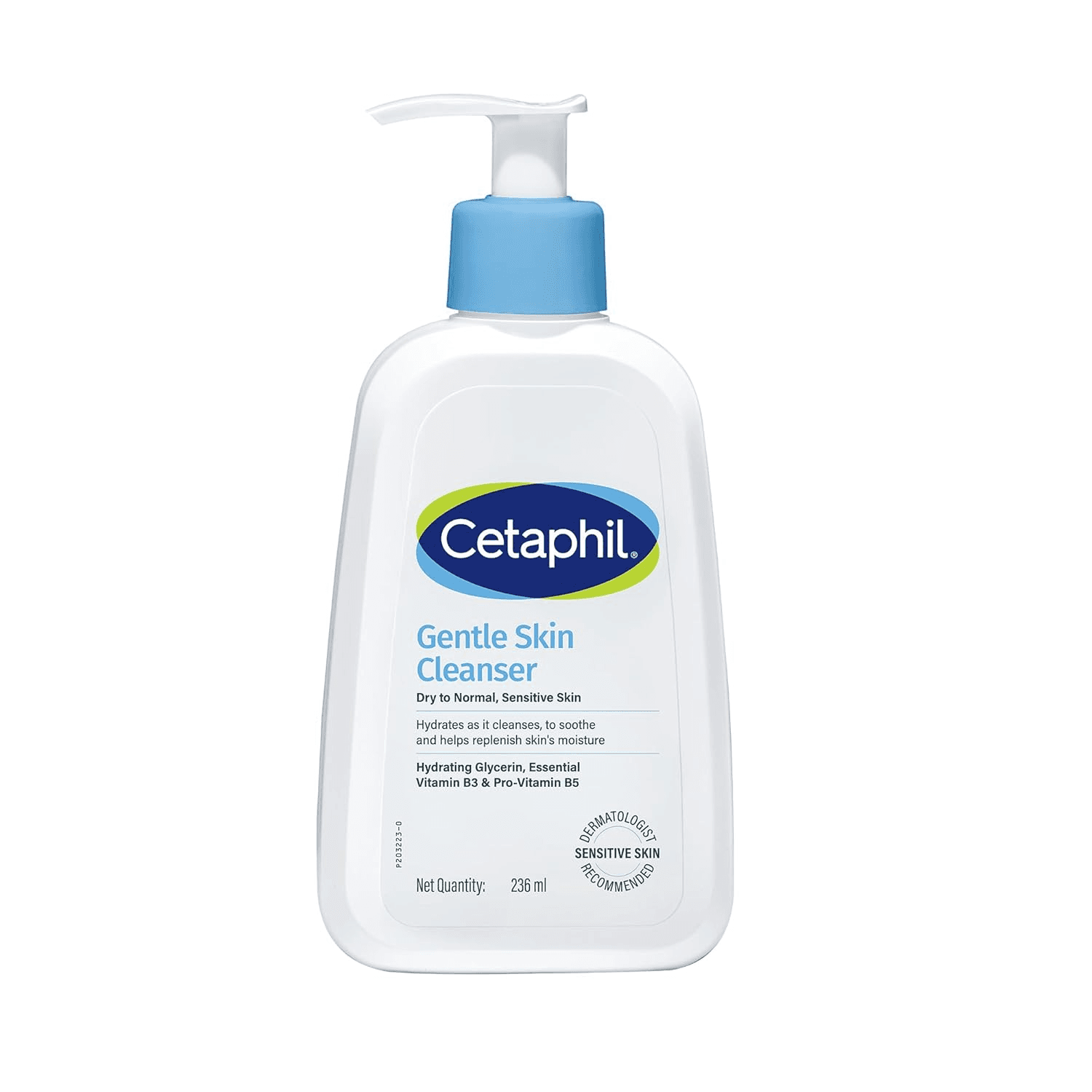
Cetaphil – Gentle Skin Hydrating Face Wash 236ml, Paraben Free, Sul...
Best for Dry SkinPhase 2 (Week 3–4): Rebuild
Slowly add barrier-repairing ingredients:
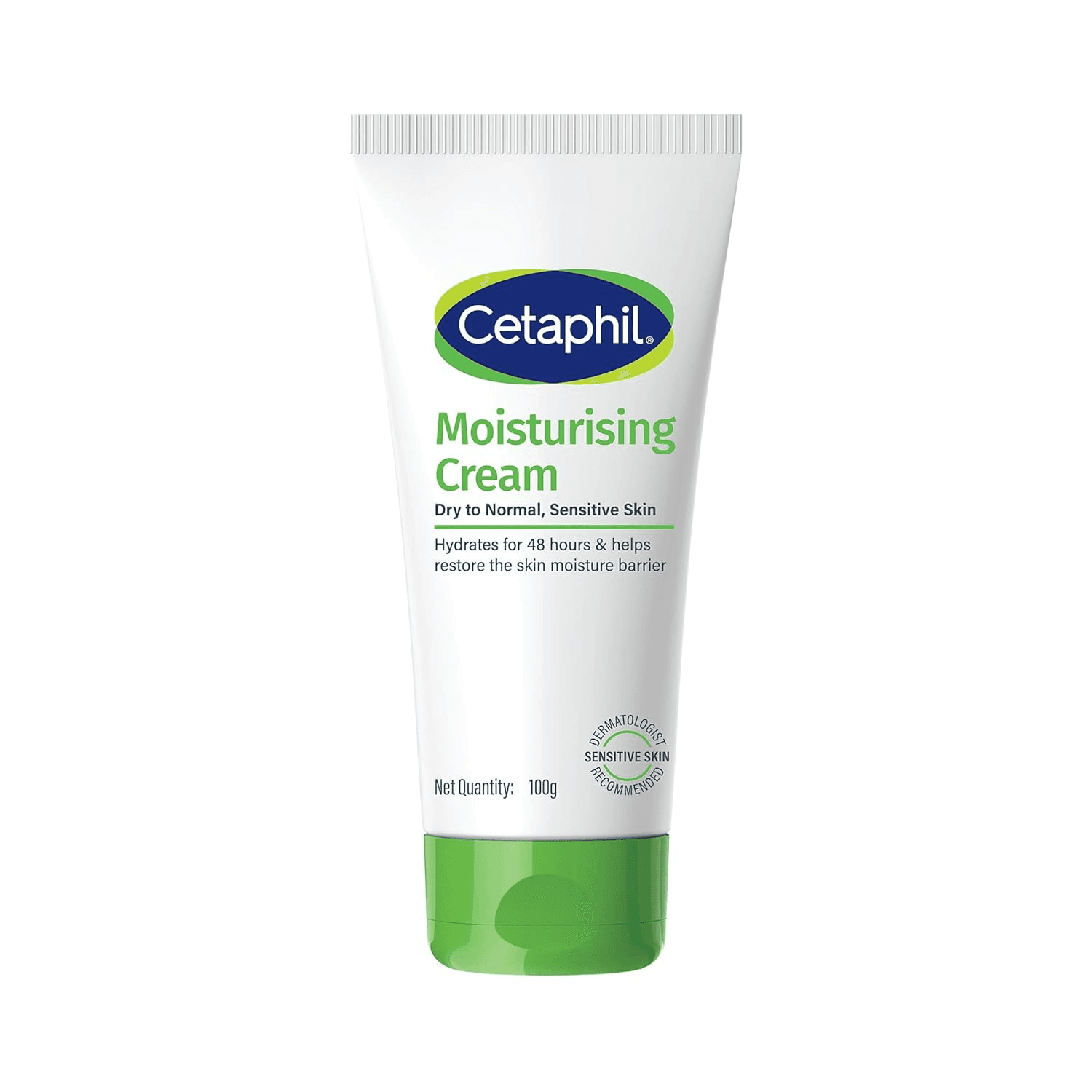
- Ceramide-rich moisturiser — rebuilds lipid barrier
- Hyaluronic Acid — restores hydration
- Panthenol (B5) — soothes and heals
- Squalane — mimics natural skin oil
Apply moisturiser on damp skin for better absorption. Use it morning and night without fail.
Phase 3 (Week 5–8): Strengthen
Cautiously reintroduce:
- 5% Niacinamide — supports ceramide production, very gentle
- PHA exfoliant — gentler than AHA, once per week only
- Gentle Vitamin E — antioxidant support
Only add one new product every 7–10 days. If stinging or redness returns, remove it.
Products to Completely Avoid During Recovery
- ❌ Retinol and retinoids
- ❌ AHA / BHA at any concentration
- ❌ Fragranced products (perfume in skincare worsens barrier damage)
- ❌ Alcohol-based toners
- ❌ Physical scrubs
- ❌ Strong Vitamin C (above 10%)
Recovery Timeline
| Damage Level | Expected Recovery | |---|---| | Mild (stinging, slight redness) | 2–4 weeks | | Moderate (flaking, breakouts) | 4–8 weeks | | Severe (persistent irritation) | 2–3 months |
Be patient. Barrier repair cannot be rushed — adding more products will only slow the process.
Takeaway
A damaged skin barrier is the root cause of most unexplained skin problems. The solution is always the same: simplify your routine, use barrier-repairing ingredients like ceramides and niacinamide, stop all actives, and give your skin time to heal. Once recovered, reintroduce actives slowly and one at a time.