
If your forehead and nose shine like a mirror by noon but your cheeks feel tight and flaky at the same time — you have combination skin. It's the most common skin type in India, and it's also the most misunderstood. Most people either treat it as fully oily (which dries out the cheeks) or fully dry (which makes the T-zone worse). Here's the balanced routine that actually works.
In This Article
- How to Know If You Have Combination Skin
- Why Combination Skin Needs a Different Approach
- AM Routine for Combination Skin
- PM Routine for Combination Skin
- Weekly Treatments
- Common Combination Skin Mistakes
How to Know If You Have Combination Skin
You likely have combination skin if:
- Your forehead and nose get oily but cheeks stay dry or normal
- You get breakouts in the T-zone but not on your cheeks
- Your makeup melts off in the centre of the face but stays put on the sides
- You feel both tight and shiny at different parts of the same face
If your entire face is oily, read our skincare routine for oily skin in India instead.
Why Combination Skin Fails With Generic Routines
Most "oily skin" routines over-strip combination skin — drying out cheeks and triggering oil overproduction in the T-zone. And "dry skin" routines make the T-zone greasier. The goal for combination skin is balance: control oil without dehydration, hydrate without adding shine.
AM Skincare Routine for Combination Skin
Step 1: Gentle Balanced Cleanser
Avoid aggressive foaming cleansers — they strip the cheeks while barely controlling the T-zone. A mild, pH-balanced gel cleanser is perfect: it removes oil without over-drying.
Look for:
- Mild gel or low-foam formula
- Sulphate-free or low-sulphate
- No alcohol or strong fragrance
- Suitable for all skin types
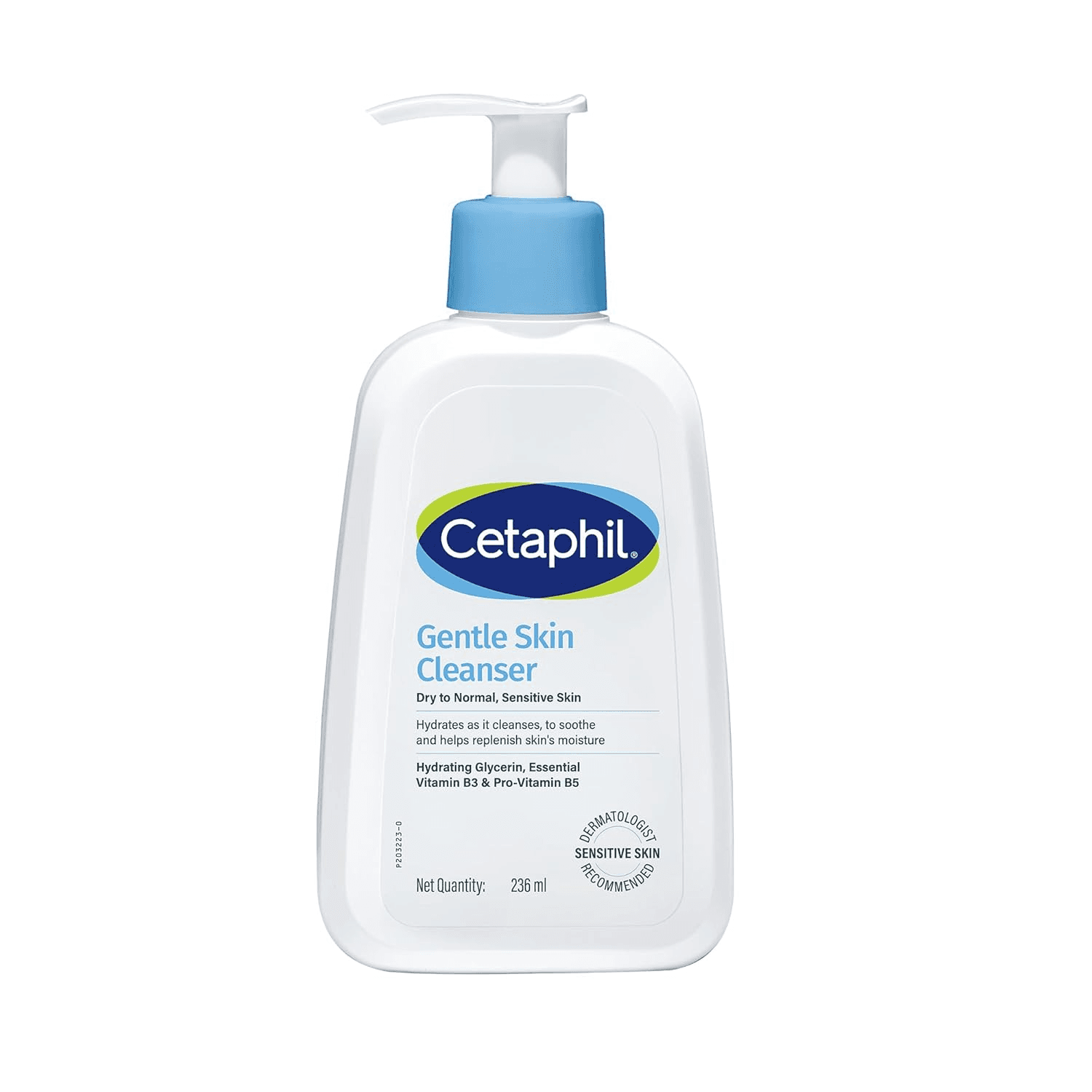
Cetaphil – Gentle Skin Hydrating Face Wash 236ml, Paraben Free, Sul...
Best for Dry SkinStep 2: Niacinamide or Vitamin C Serum
Niacinamide is the single best ingredient for combination skin. It controls sebum in the T-zone, minimises pores, reduces acne, and strengthens the barrier in drier areas — all at once.
Apply 3–4 drops to the entire face after cleansing. Use 5–10% concentration daily.
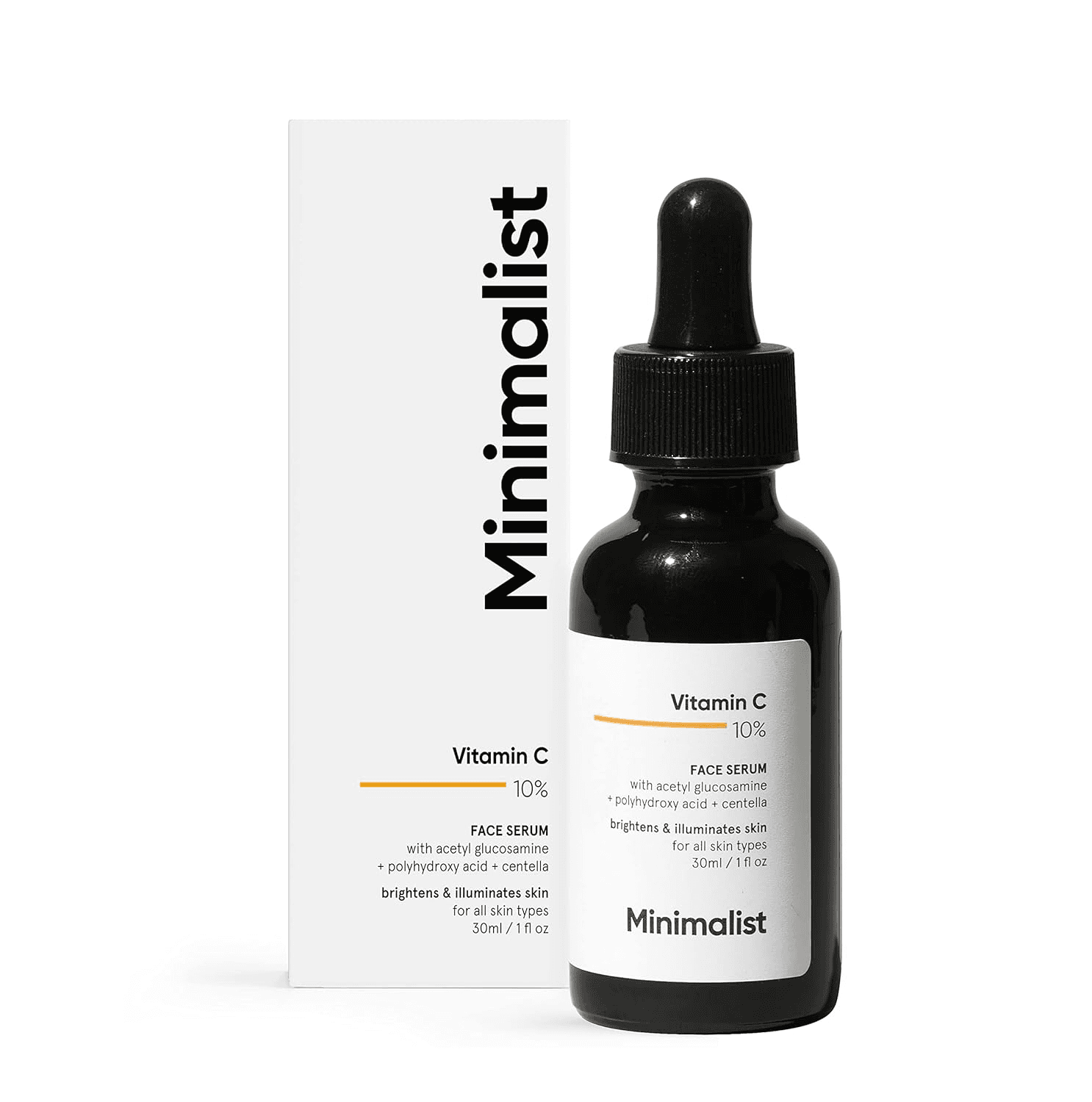
Minimalist – 10% Vitamin C Serum for Dull Skin, Dark Spots & Uneven...
Best OverallStep 3: Lightweight Moisturiser
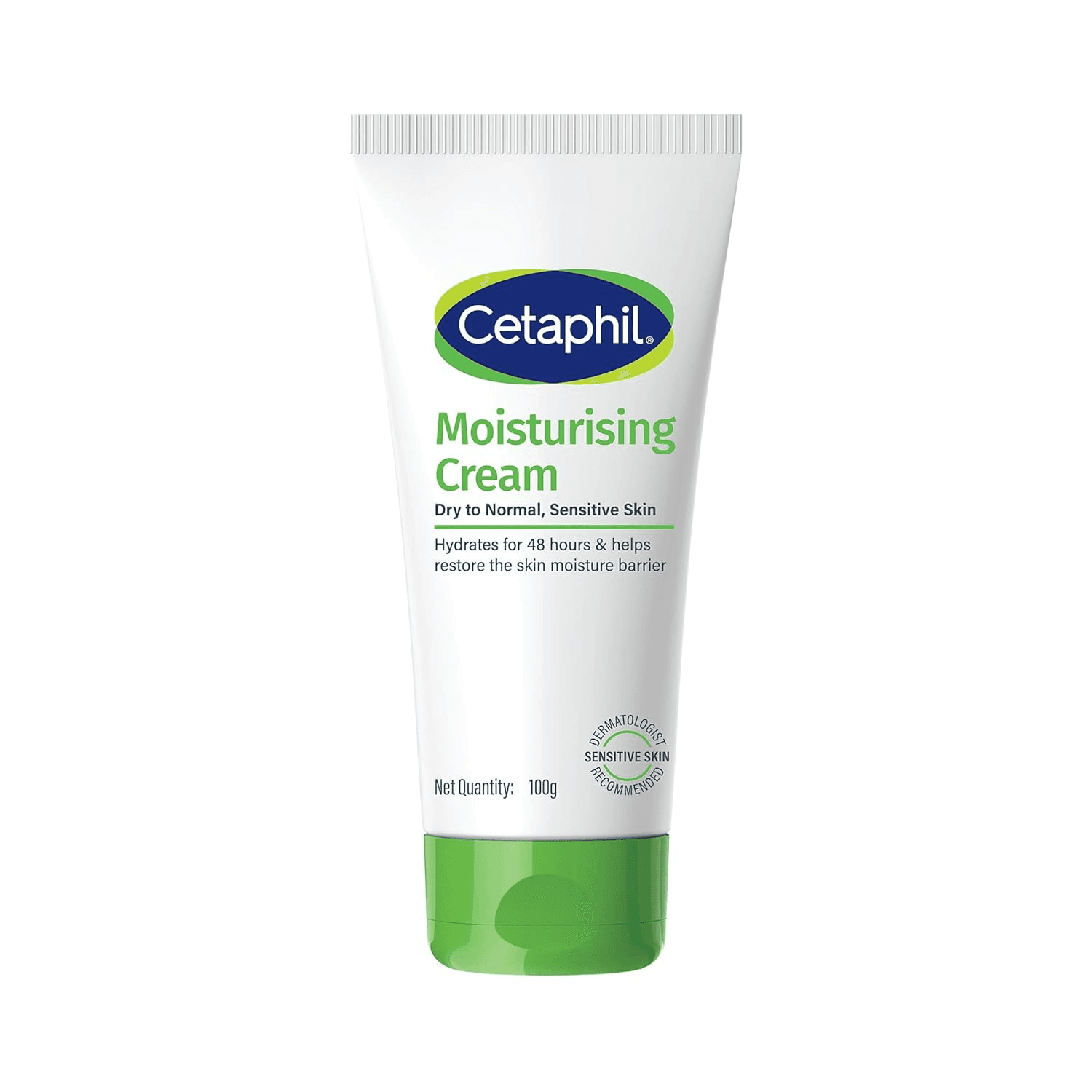
Combination skin still needs moisturiser — both oily and dry zones. A gel-cream texture provides enough hydration for dry cheeks without adding to the T-zone's shine.
Look for:
- Ceramides and Panthenol
- Non-comedogenic formula
- Gel-cream or lightweight lotion texture
- Not too rich, not too thin
Step 4: Sunscreen
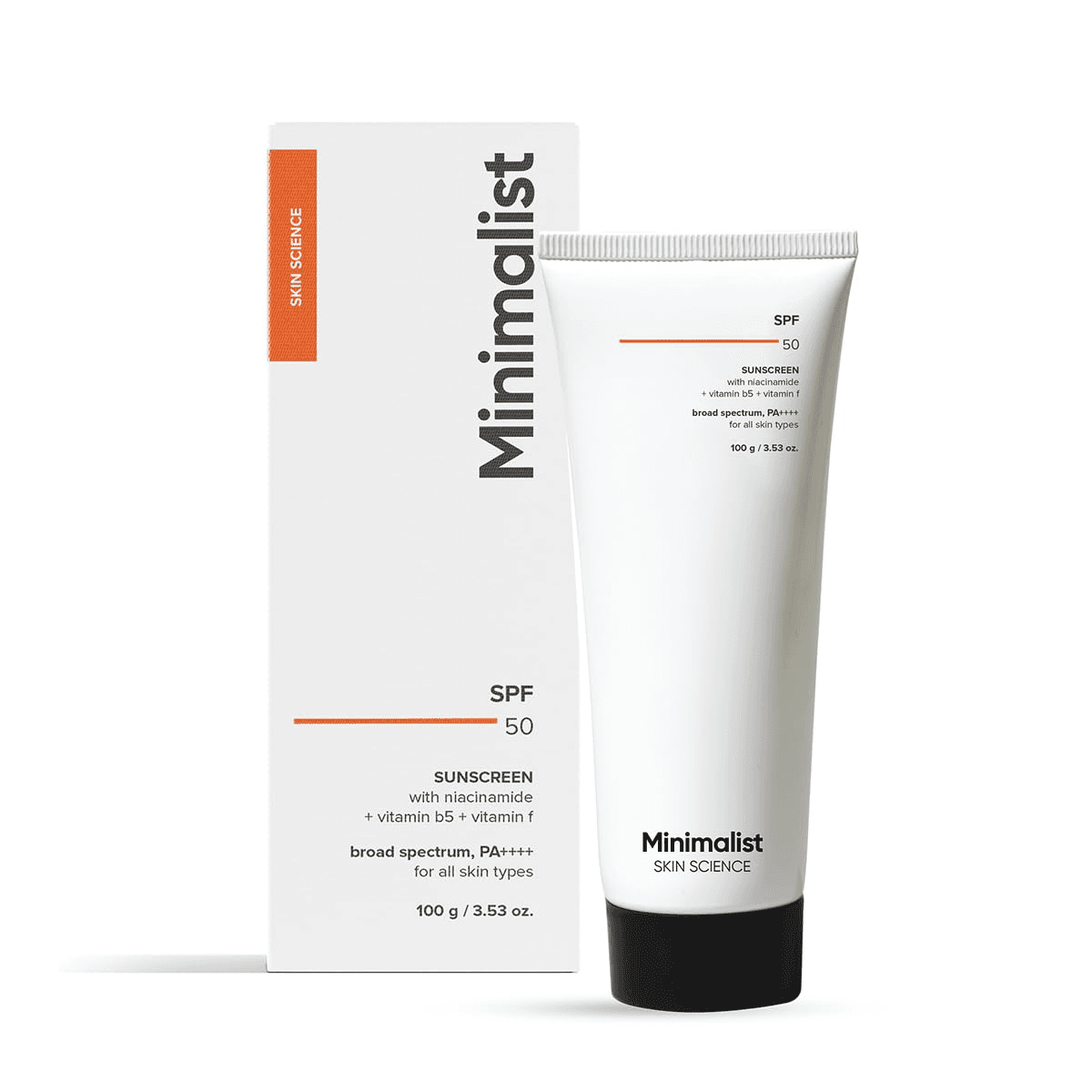
India's UV index makes daily SPF non-negotiable for all skin types. For combination skin, choose a matte or natural-finish SPF 50 PA++++ that controls the T-zone without drying out the cheeks.
PM Skincare Routine for Combination Skin
Step 1: Gentle Cleanse
Remove sunscreen properly — leftover sunscreen is a major trigger of T-zone breakouts. Use micellar water or a cleansing oil as a first step if you've applied heavy SPF, then follow with your regular face wash.
Cetaphil – Gentle Skin Hydrating Face Wash 236ml, Paraben Free, Sul...
Best for Dry SkinStep 2: Targeted Treatment (Optional)
Based on your specific concern:
For T-zone acne and oiliness:
- Niacinamide serum (daily)
- 2% Salicylic acid spot treatment (2–3 times per week on affected areas only)
For dryness on cheeks:
- Barrier-repair cream on dry areas only
Step 3: Lightweight Night Moisturiser
A ceramide-rich moisturiser at night supports barrier repair across both oily and dry zones. Healthy barrier = balanced oil production over time.
Weekly Treatments for Combination Skin
- Exfoliate 1–2 times per week — use a gentle AHA/BHA
- Clay mask on T-zone only — don't apply to cheeks
- Hydrating mask on cheeks — when they feel particularly tight
- Never exfoliate daily — disrupts the barrier
Common Combination Skin Mistakes
- Using oily skin products on the entire face — dries out cheeks, increases T-zone oil
- Skipping moisturiser — makes oil production worse as skin compensates
- Overusing salicylic acid — damages the barrier in dry zones
- Using heavy matte sunscreen — dries cheeks without adequately controlling T-zone
- Layering too many actives — leads to barrier damage and confused skin
Budget Breakdown (Under ₹1500)
| Product | Budget Range | |---|---| | Gentle Cleanser | ₹200–300 | | Niacinamide / Vit C Serum | ₹400–500 | | Lightweight Moisturiser | ₹300–400 | | Sunscreen (SPF 50) | ₹300–400 | | Total | ₹1,200–1,600 |
Takeaway
Combination skin doesn't need two separate routines — it needs balance. A gentle cleanser, a niacinamide serum, a gel-cream moisturiser, and SPF 50 will cover both the oily and dry zones effectively. Stay consistent for 4–6 weeks and you'll see the T-zone oiliness reduce while the dry areas feel softer and more comfortable.